2 min read
The gold of the day: the history and magic of pomodoro in Italian cuisine

Tomato, called pomodoro in Italian, is one of the most important ingredients in Italian cuisine, even though it did not originally come from Europe: it arrived in Italy in the 16th century from America via Spain.
It got its name from the expression "pomo d'oro" – "golden apple" – because the first varieties were yellowish in color. At first, it was kept as an ornamental plant because it was believed to be poisonous, and only later did it become a staple food. In Italian cuisine, the specialty of pomodoro is that it can simultaneously add a refreshing and deep, sweet-and-sour flavor to dishes.
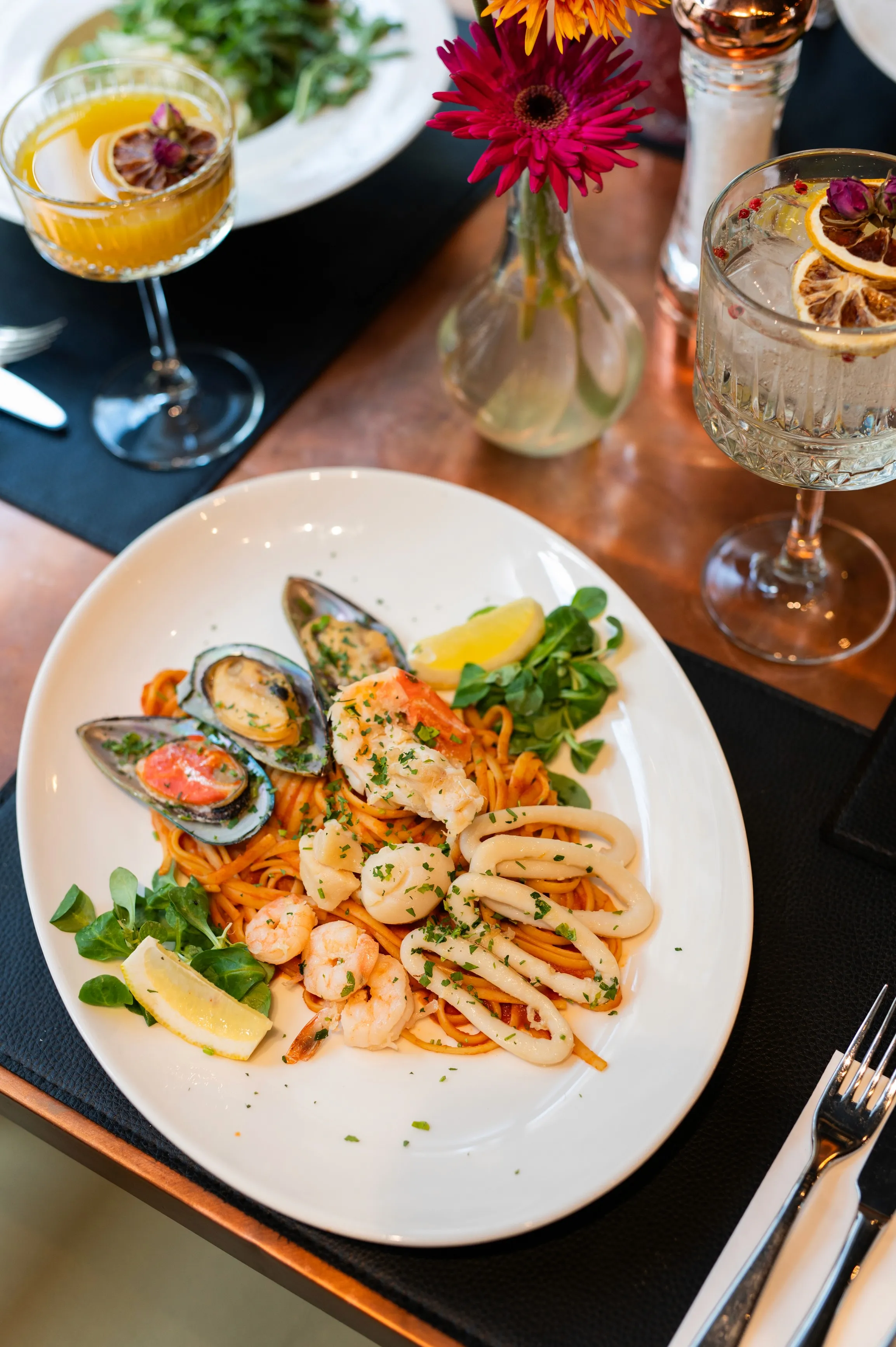
It is used raw in salads, such as the famous caprese, and cooked as a base for sauces, soups, and ragouts. Passata di pomodoro and sugo al pomodoro are the soul of countless pasta dishes, such as spaghetti al pomodoro or penne all'arrabbiata. The sun-ripened varieties from southern Italy – such as the San Marzano – are sought after worldwide, especially for pizza sauce. At the end of summer, Italian families traditionally cook tomato sauce in large pots and bottle it so they can enjoy the taste of sunshine all year round. Thus, pomodoro is not just an ingredient, but also a slice of Italian culture and lifestyle.
Fortunately, Ape Regina is not short of dishes made from this wonderful ingredient either, so you can taste the culinary specialties made from it at any time.