6 min read
Wood-fired oven experience review
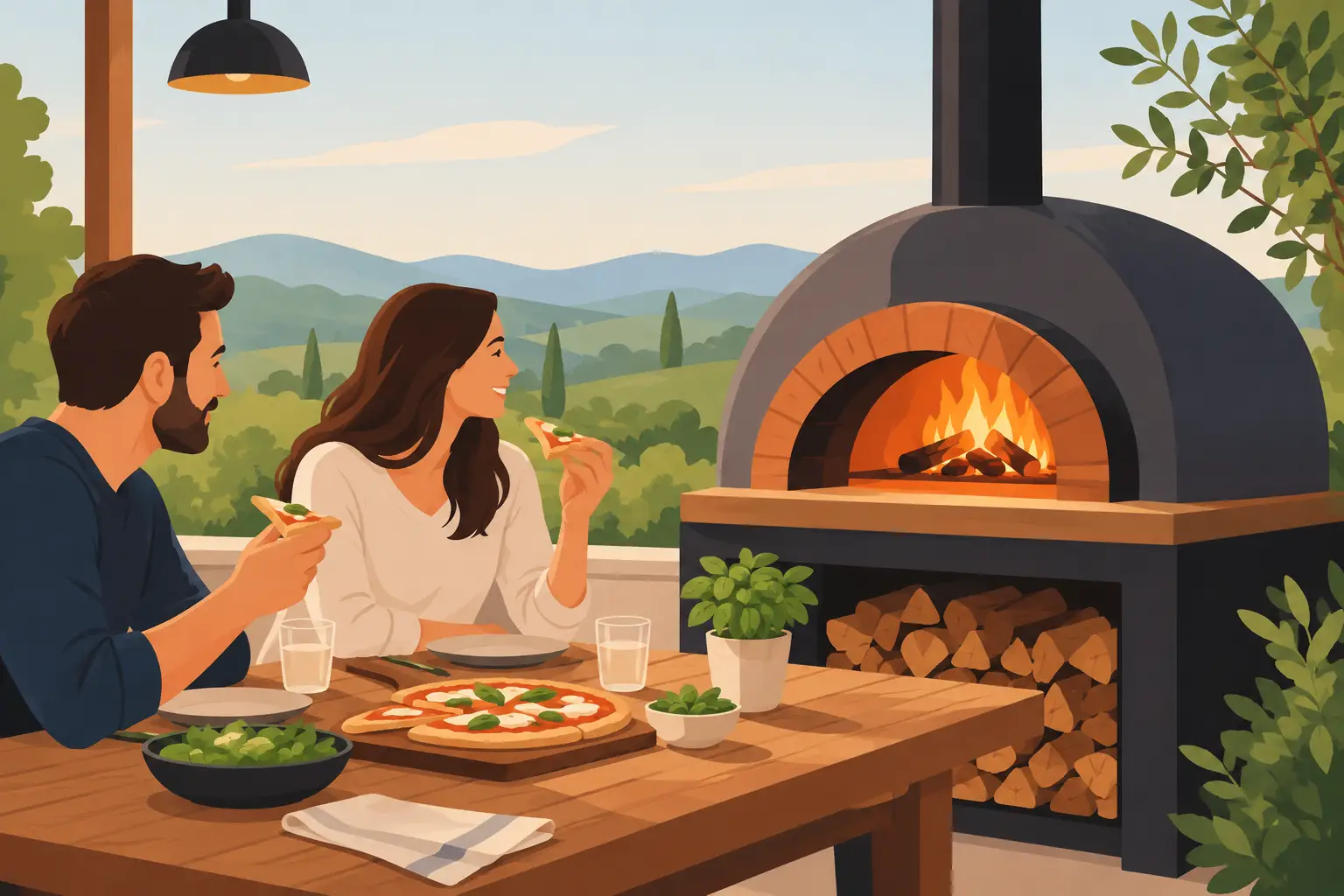
When the crust of a pizza is airy, leopard-spotted, and pleasantly crisp all at the same time, it’s no coincidence. When evaluating a wood-fired oven experience, it’s not just about whether the fire looks spectacular: what matters is what the heat adds to the dough, the toppings, and the evening you came to enjoy together downtown.
A real wood-fired oven is one of the most exciting parts of Italian dining. It operates out in the open; you can feel its heat, watch the movements, and in just a few minutes, it bakes a pizza that a conventional oven would turn out with an entirely different character. This experience is especially powerful when the oven isn't just a set piece, but the natural center of the kitchen.
What makes a great wood-fired oven experience?
The high heat in the oven doesn't just mean faster baking. The pizza dough rises in a short time, the crust stays light, and those charred spots that give Italian pizzas their distinctive flavor appear on the surface. Meanwhile, the cheese melts, the tomato becomes more concentrated, and the fresh basil retains its fragrance even in the final moments of baking.
The difference really reveals itself in the bite. A well-made pizza has a base with structure—it doesn't get soggy from the toppings, yet it isn't dry either. The crust isn't heavy like bread; it's elastic and airy. This is the kind of detail a guest notices even without wanting to talk about doughs or baking temperatures during dinner.
Moreover, the wood fire doesn't produce uniform, sterile heat. The pizzaiolo watches where to turn the pizza, which spot gets stronger heat, and when the moment has arrived to pull it out. This requires expertise, but that is precisely what makes the process so alive. The same recipe is recognizable every time, yet it carries a touch of artisanal uniqueness.
The spectacle is part of the dinner too
In an open kitchen, the oven is not background noise. The glow of the embers, the long-handled peel, the swift movements, and the scent of freshly baked pizza build anticipation long before the first course arrives at the table. This works especially well for a group of friends or a family dinner, when the meal is more than just a quick stop between activities.
However, the spectacle alone wouldn't be enough. It is authentic when it carries through onto the plate: with fresh ingredients, well-proportioned toppings, and dough that has had time to rest, ferment, and bake. A wood-fired oven will not automatically fix weak dough or overly heavy toppings. But from good foundations, it creates a truly memorable pizza.
Evaluating the wood-fired oven experience on the plate
For an honest assessment, it’s worth considering three simple criteria: how is the dough, are the flavors balanced, and is the pizza enjoyable down to the very last slice? You don't need to be an expert. If the center is too watery, the crust too hard, or the toppings overpower each other, any guest will sense it immediately.
A good wood-fired pizza dough provides both structure and lightness at the same time. The interior is soft but not raw, the crust is charred but not burnt. A few darker spots are a natural part of the bake, but a bitter, carbonized taste is not. That subtle difference is created by heat management and the proper baking time.
When it comes to flavors, less is often more. A classic tomato-and-cheese pizza is a great litmus test because there aren't too many toppings to hide mistakes. If the tomato is vibrant, the cheese is creamy, and the crust has character, the work of the oven shines through. On richer pizzas, it is important that meats, vegetables, and cheeses do not weigh down the center.
The heat also works wonders on vegetables. Peppers, mushrooms, or zucchini can lightly caramelize while retaining their freshness. Thinly sliced ham, arugula, or fresh cheese, on the other hand, are often added to the pizza only after baking to preserve their distinct character. This is what makes the result layered, rather than just a single heavy, hot bite.
The ideal choice isn't the same for every meal
Pizza made in a wood-fired oven is a fantastic choice when the focus of the evening is on freshly arrived dishes meant for sharing and an Italian atmosphere. It works particularly well for a business dinner, a long get-together with friends, or unwinding after work, because ordering has a natural rhythm, and the pizzas arriving at the table are meant to be shared.
At the same time, the occasion also matters. If you're a larger group, want to try a wide variety of flavors, and predictable spending is important, the unlimited All You Can Eat & Drink format at Ape Regina on Podmaniczky Street can be an obvious choice. Here, wood-fired pizza is part of a generous, casual evening, alongside the option of à la carte ordering.
Our Ape Regina Di Piazza restaurant on Vécsey Street has permanently closed. We welcome our guests at 18 Podmaniczky Street, where they can choose between All You Can Eat & Drink and à la carte dining.
Why does fresh dough matter so much?
The oven may be excellent, but the foundation of the pizza is still the dough. Fresh dough kneaded daily isn't just a catchy promise: the right texture, resting, and shaping all determine how it will react to the high heat. If the dough is prepared well, it stretches nicely, holds air, and won't feel exhaustingly heavy after baking.
That is why there is a difference between a pizza that fills you up and one that still leaves you wanting to taste another flavor from your dining companion's plate. A lighter dough leaves room for the toppings, the drink, and dessert as well. During a longer dinner, this is no minor detail—it defines the comfort of the entire experience.
Fresh dough takes its final form in the quick heat of the oven. Caramelized crust on the outside, a soft crumb inside, and that characteristic, slightly irregular rise along the edge that you come to expect in Italy. Not every pizza needs to look identical to be consistently good. In fact, the natural uniqueness of hand-shaped dough is part of the authentic experience.
What should you look for when ordering?
If you're ordering wood-fired pizza with a group for the first time, it's worth exploring different styles. A classic tomato-based pizza showcases the flavor of the dough and the oven, while a richer meat or cheese variation demonstrates how well the pizza holds up to a heavier load of toppings. This way, you not only sample more flavors, but it's also easier to find the table's favorite.
For a hungrier crew, shareable appetizers pair wonderfully alongside the pizza, followed by fresh pasta. For dinner for two, however, it's often enough not to rush the pizza: a good drink, a few minutes of conversation, and the sight of the oven can deliver exactly the urban Italian evening you booked a table for.
A wood-fired oven offers the most when you don't look at pizza as just fast food. Choose a venue suited to the occasion, ask for flavors you're happy to share, and give yourselves time to let the aroma of fresh pizza reach the table before taking your first bite.